Woodworking Accessories Tips
Types of Cutting Tools
Cutting tools developed rapidly in the late 18th century, alongside machines like steam engines. In 1783, René of France first made milling cutters. In 1792, Henry Maudslay of the UK created taps and dies.
The earliest record of the twist drill dates to 1822, but manufacturers didn’t produce it as a commodity until 1864. Back then, workers made cutting tools from solid high-carbon tool steel, and these tools could cut at about 5 meters per minute. In 1868, Robert Mushet of the UK developed tungsten-containing alloy tool steel. In 1898, Taylor and White of the US invented high-speed tool steel. In 1923, Schröter of Germany created cemented carbide.
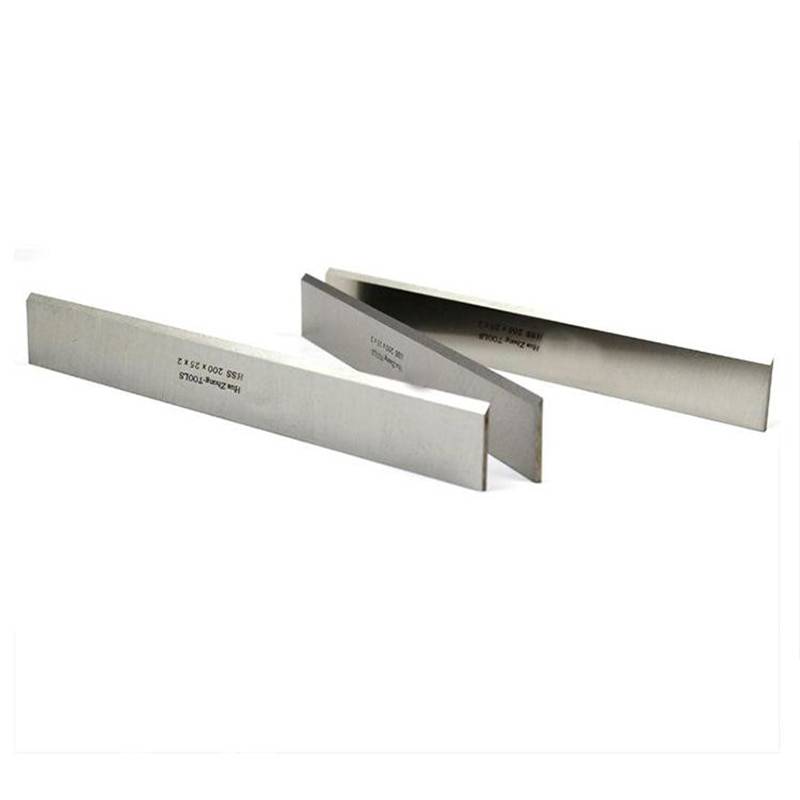
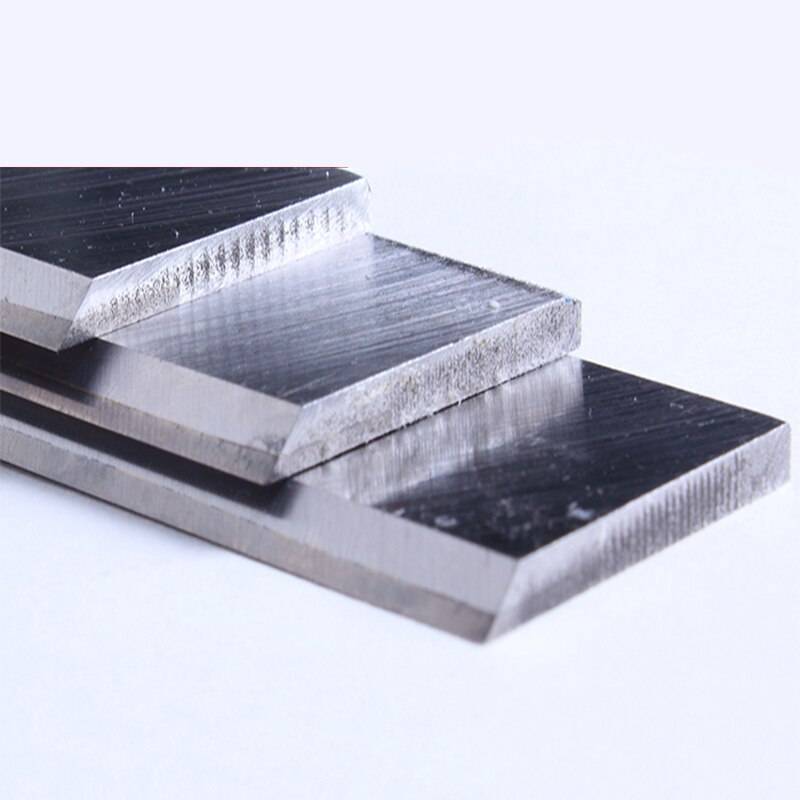
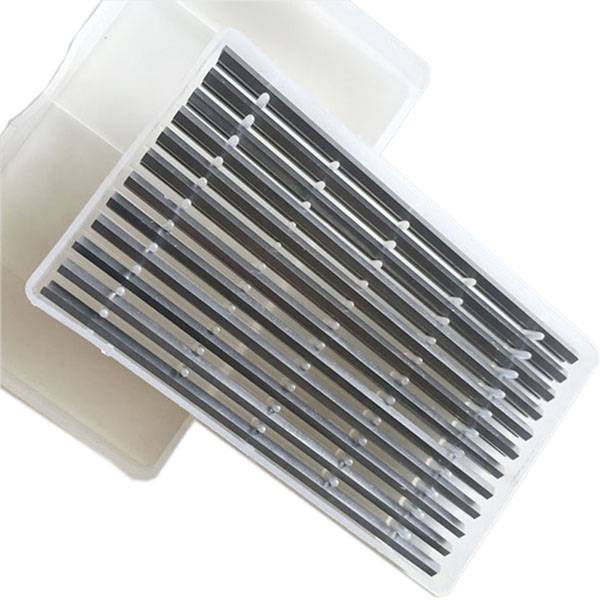
Cutting tools are mainly divided into three categories.
Click me!
Cutting tools boomed in the late 18th century, alongside steam engines and other machines. In 1783, France’s René made the first milling cutters.
In 1792, Britain’s Henry Maudslay created taps and dies. The twist drill first appeared in records in 1822, but manufacturers didn’t sell it commercially until 1864. Back then, workers made tools from solid high-carbon steel, which cut at ~5 meters per minute.In 1868, Britain’s Robert Mushet developed tungsten alloy tool steel.
In 1898, US inventors Taylor and White created high-speed tool steel. In 1923, Germany’s Schröter invented cemented carbide. Alloy steel boosted speeds to 8 meters per minute; high-speed steel doubled that; cemented carbide doubled it again—while also improving workpiece quality and precision.
Since high-speed steel and cemented carbide cost a lot, engineers designed welded and clamped tool structures. Between 1949–1950, US makers added indexable inserts to turning tools, then to milling cutters. In 1938, Germany’s Degussa patented ceramic tools.
In 1972, US General Electric made polycrystalline diamond/boron nitride inserts (these let tools cut faster). In 1969, Sweden’s Sandvik Steel patented CVD-coated carbide inserts. In 1972, US researchers Bunshah and LaGuerre developed PVD: they coat tools with hard titanium carbide/nitride layers. This coating blends the base material’s strength/toughness with the layer’s hardness/wear resistance, boosting cutting performance.