
A carbide insert mainly includes a tungsten-cobalt carbide substrate and a functional surface coating. The tungsten-cobalt substrate itself offers high hardness to complete various cutting operations. Additional surface coatings are applied to further improve cutting performance and extend tool service life.
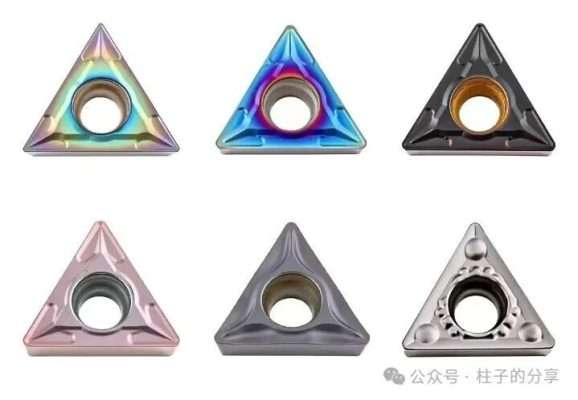
1. Thermal Barrier Protection
During high-temperature cutting, the coating forms a dense protective oxide film on the insert surface. Serving as a reliable thermal barrier, it blocks most heat generated in high-speed machining. It avoids substrate softening and harmful chemical reactions, supporting higher cutting speeds and effectively prolonging tool working hours.
2. Anti-Stick Cutting Performance
Optimized-formula coatings create a much smoother cutting surface. They reduce friction between cutting edges and workpieces, and greatly restrain built-up edges where soft material sticks to tool edges. This solves the common material-sticking trouble in processing soft-textured workpieces.
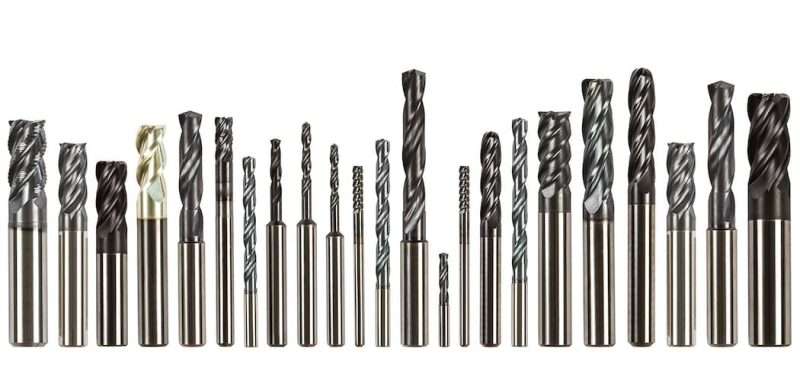
Without changing the carbide base material, coatings bring obvious performance improvements. Therefore, coated carbide inserts are widely adopted in industrial turning, milling and woodworking cutting scenarios.


 English
 Español
 العربية
 Русский
 Français
 Português do Brasil
 简体中文